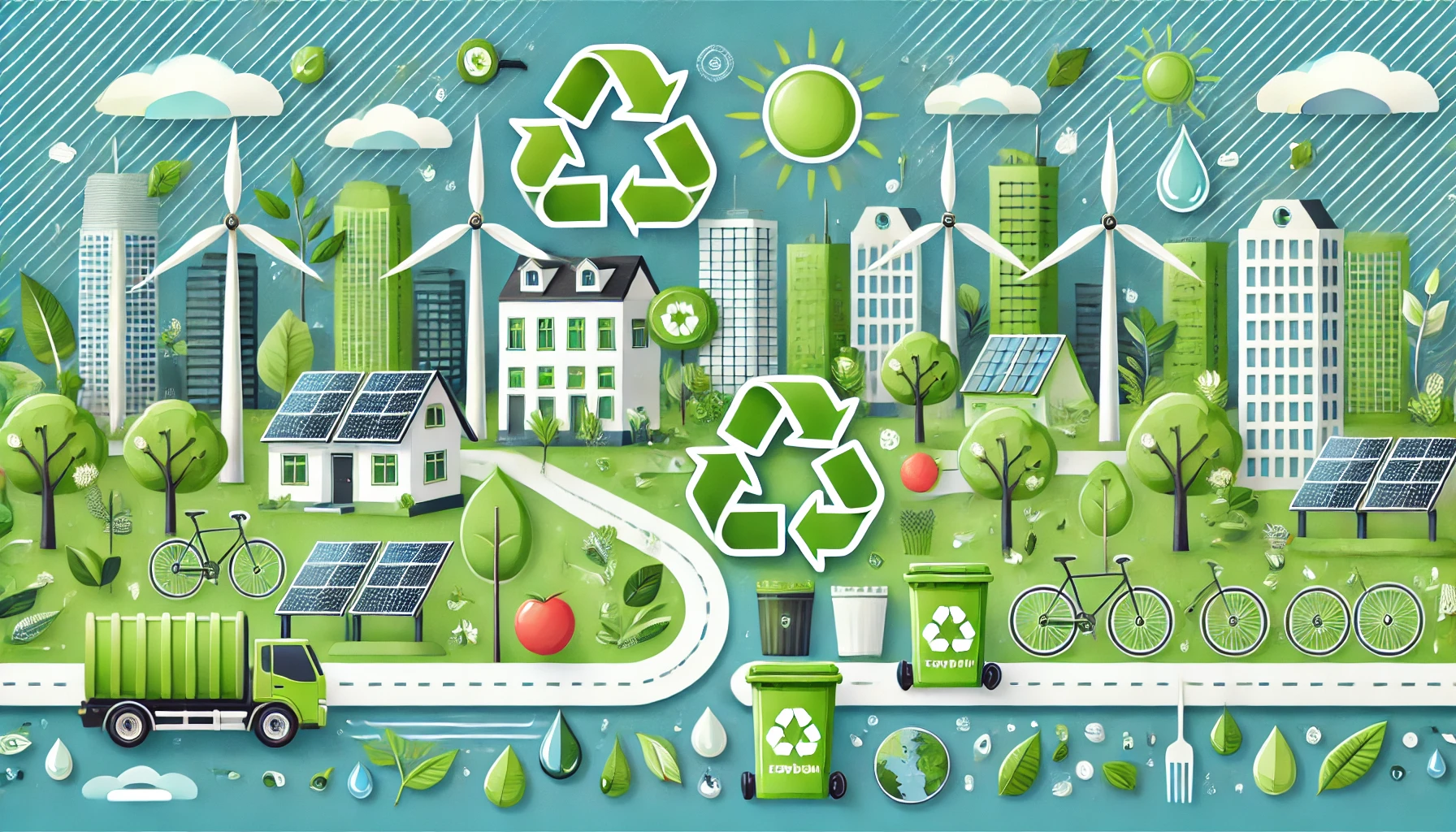
Sustainable living is becoming increasingly important in urban India, where rapid urbanization and lifestyle changes are impacting the environment. Adopting an eco-friendly lifestyle can help reduce your carbon footprint, save money, and contribute to a healthier planet. This guide provides practical tips for sustainable living, focusing on energy-saving practices, waste reduction, and sustainable consumption habits.
LED bulbs consume significantly less energy than traditional incandescent bulbs and last much longer. By switching to LED bulbs, you can reduce your electricity bill and environmental impact. This energy-saving tip is easy to implement and has immediate benefits.
Choosing appliances with high energy efficiency ratings can make a substantial difference in your household energy consumption. Look for the Bureau of Energy Efficiency (BEE) star rating when purchasing new appliances. Energy-efficient appliances not only save electricity but also lower your utility costs in the long run.
Electronic devices continue to consume energy even when turned off. Unplugging chargers, TVs, and other electronics when they are not in use can save a significant amount of energy. This simple habit can contribute to a more eco-friendly lifestyle.
Maximizing the use of natural light during the day reduces the need for artificial lighting. Open curtains and blinds to let in sunlight, creating a brighter and more energy-efficient home. This practice not only saves energy but also enhances your living environment.
Recycling and upcycling are essential practices for waste reduction. Separate your waste into recyclables and non-recyclables and participate in local recycling programs. Upcycling old items gives them a new life and reduces the need for new materials.
Minimizing the use of single-use plastics is crucial for an eco-friendly lifestyle. Opt for reusable bags, bottles, and containers to avoid plastic waste. Carrying your own shopping bag and water bottle helps reduce the environmental impact of plastic pollution.
Composting kitchen waste creates nutrient-rich soil for your garden and reduces the amount of waste sent to landfills. Composting is a sustainable practice that benefits both your garden and the environment.
Choosing products with minimal or eco-friendly packaging reduces packaging waste. Buying in bulk also minimizes packaging materials. Supporting brands that prioritize sustainable packaging is a significant step towards reducing your environmental footprint.
Supporting local farmers by buying fresh, seasonal produce reduces the carbon footprint associated with transportation and storage. Local produce is often fresher and more nutritious, and it helps sustain the local economy.
Choose products made from sustainable materials and those that are biodegradable or recyclable. Certifications like Fair Trade, Organic, and FSC indicate that the products meet certain environmental and social standards.
Implement water-saving practices such as fixing leaks, using low-flow fixtures, and collecting rainwater for gardening. Reducing water usage helps conserve this precious resource and lowers your utility bills.
Adopting a minimalist lifestyle involves reducing unnecessary consumption and focusing on quality over quantity. Minimalism encourages mindful living and reduces waste, promoting a more sustainable lifestyle.
Adopting an eco-friendly lifestyle in urban India is not only beneficial for the environment but also promotes a healthier and more sustainable way of living. By implementing these energy-saving practices, waste reduction strategies, and sustainable consumption habits, you can make a significant impact on your carbon footprint and contribute to a greener future. Remember, “a penny saved is a penny earned,” and every small effort towards sustainability counts.
Switching to LED bulbs, using energy-efficient appliances, and unplugging devices when not in use are effective ways to reduce your electricity bill.
Use reusable bags, bottles, and containers, and avoid products with excessive packaging to reduce plastic waste.
Begin by collecting kitchen waste like vegetable peels and coffee grounds in a compost bin. Add yard waste such as leaves and grass clippings, and turn the pile regularly to promote decomposition.
Local produce is fresher, has a lower carbon footprint, supports local farmers, and often tastes better than produce that has traveled long distances.
Fix leaks, use low-flow fixtures, collect rainwater for gardening, and practice mindful water usage to save water at home.
This article is for informational purposes only. While every effort is made to ensure the accuracy of the information, readers are encouraged to do their research and consult with experts before making any lifestyle changes.
Saving money in India isn’t hard — it’s harder when your salary is limited and… Read More
Being a stay-at-home mom doesn’t limit your earning potential. Today, moms across India (and around… Read More
The Indian mutual fund industry just got its biggest shake-up in years. Jio Financial Services… Read More
Introduction Growing your savings in 2025 doesn't have to be complicated or risky. With the… Read More
Want to invest in mutual funds without studying the market? Here are 7 lazy but… Read More
Dreaming of ₹1 crore in 10 years? Here’s a brutally honest, step-by-step plan for regular… Read More
