


Smart Personal Finance for Indian Investors.
From mutual funds and home loans to credit cards and tax planning - Invest With Bull breaks down complex money topics into clear, actionable advice. Whether you are building wealth, planning your first home, or optimizing your credit card rewards, you are in the right place.

Unlock Peace of Mind: A Definitive Guide to Mastering Retirement Planning in India
August 7, 2024 | by Amit Sharma

Vidya Lakshmi Portal: Empowering Students with Easy Access to Educational Loans
August 7, 2024 | by Amit Sharma

How Much Term Life Insurance Coverage Do You Need? | Comprehensive Guide with Online Insurance Coverage Calculator
August 6, 2024 | by Amit Sharma
How to Fill Form 15G and 15H: A Step-by-Step Guide to Avoid TDS Deductions
August 6, 2024 | by Amit Sharma

Ola Electric Share Price Target 2024-2030: In-Depth Analysis, Growth Potential, and Key Insights [Updated]
August 2, 2024 | by Amit Sharma




Sustainable Living in India: Eco-friendly Lifestyle Tips for Urban Residents
July 17, 2024 | by Amit Sharma

Investing in Renewable Energy in India: A Comprehensive Guide for Sustainable Returns in 2024
July 17, 2024 | by Amit Sharma
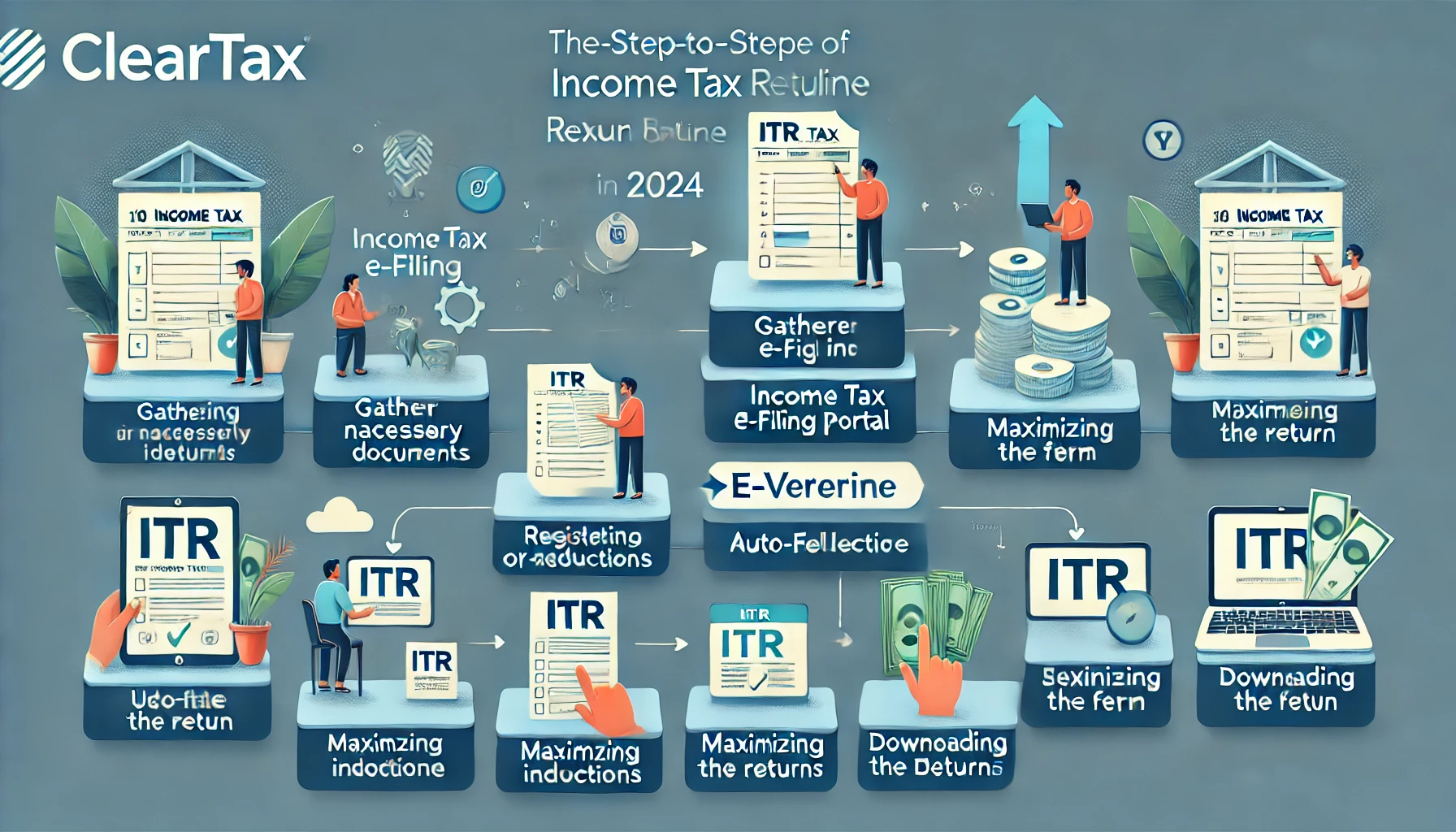
How to File Income Tax Return Online in 2024: A Step-by-Step Guide
July 17, 2024 | by Amit Sharma


Retirement is one of the most crucial stages of life, requiring meticulous planning and disciplined saving. With the traditional joint family system in India gradually breaking down and increasing life expectancy due to medical advancements, the need for robust retirement planning has never been more significant. As careers become shorter and job security decreases, ensuring a comfortable retirement is paramount.
In this detailed guide, we will explore the essential aspects of retirement planning, including how to calculate your retirement corpus, the necessary savings to meet your retirement goals, and how to use tools like MS Excel to simplify the process. We will also address common questions about retirement planning in India and provide insights into creating a retirement plan that suits your individual needs.
Understanding the Importance of Retirement Planning in India
Retirement planning is not just about saving money; it’s about ensuring financial independence and security in your later years. As the cost of living continues to rise, planning for retirement has become more complex. Factors such as inflation, medical expenses, and lifestyle choices all play a role in determining how much you need to save.
Why Retirement Planning Matters:
- Increased Life Expectancy: With advancements in healthcare, people are living longer, which means you need a larger corpus to sustain yourself for a more extended period.
- Breakdown of Joint Family System: In the past, elderly family members could rely on joint family systems for financial support. However, with the rise of nuclear families, individuals must take personal responsibility for their retirement.
- Rising Healthcare Costs: Medical expenses tend to increase with age, and without proper planning, these costs can quickly deplete your savings.
- Inflation: The cost of living will continue to rise, and without a well-thought-out plan, your retirement savings may not be sufficient to maintain your current lifestyle.
What Is Retirement Planning?
Retirement planning is the process of determining your retirement income goals and the actions necessary to achieve them. It involves identifying income sources, estimating expenses, implementing a savings plan, and managing assets and risks. A well-structured retirement plan also considers factors like inflation, potential healthcare costs, and life expectancy.
A retirement plan is not static; it should be reviewed and updated regularly to ensure that you are on track to meet your goals. The earlier you start, the more time you have to grow your retirement corpus, leveraging the power of compounding.
Stages of Retirement Planning
Retirement planning can be divided into three distinct phases, each with its own set of objectives and strategies:
1. Accumulation Phase
- This is the most critical phase where you focus on saving and investing for your retirement. The goal is to build a substantial corpus that will support you during your retirement years. The earlier you start this phase, the more time your investments have to grow through the power of compounding.
- Strategies During Accumulation Phase:
- Diversify Investments: Spread your investments across various asset classes such as equities, bonds, mutual funds, and real estate to reduce risk and maximize returns.
- Increase Contributions Over Time: As your income grows, aim to increase your retirement contributions proportionally.
- Take Advantage of Tax-Deferred Accounts: Utilize accounts like the Employee Provident Fund (EPF), Public Provident Fund (PPF), and National Pension Scheme (NPS) that offer tax benefits.
2. Transition to Retirement
- This phase involves preparing for the shift from active work life to retirement. It’s a period where you may need to adjust your financial strategy to align with your retirement goals.
- Strategies During Transition Phase:
- Rebalance Your Portfolio: Gradually shift your investment portfolio from high-risk assets like equities to safer, income-generating assets like bonds and fixed deposits.
- Estimate Retirement Income Needs: Reassess your retirement income needs considering inflation and potential healthcare costs.
- Plan for Healthcare: Consider purchasing health insurance or a medical plan to cover potential medical expenses during retirement.
3. Withdrawal Phase (Wealth Consumption)
- In this phase, you begin to withdraw income from your accumulated retirement fund. This stage is crucial because it determines how long your savings will last.
- Strategies During Withdrawal Phase:
- Systematic Withdrawal Plans (SWP): Consider using SWPs to withdraw a fixed amount regularly, ensuring a steady income stream while keeping your investments growing.
- Monitor Your Spending: Keep track of your expenses to ensure you don’t outlive your savings.
- Consider Annuities: Annuities can provide a guaranteed income for life, reducing the risk of outliving your savings.
How Retirement Planning Works | how to plan for retirement
Retirement planning involves creating a personalized roadmap to achieve your financial goals for your post-working years. This includes deciding when you want to retire, how much money you need to save, and what type of investments you should make to reach your retirement goals. Retirement planning also involves assessing your risk tolerance, managing your assets, and reviewing your plan regularly to stay on track.
Key Components of Retirement Planning:
- Income Sources: Identify potential income sources during retirement, such as pensions, savings, investments, and government benefits.
- Expenses: Estimate your future expenses, including basic living costs, healthcare, travel, and leisure activities.
- Savings Plan: Create a plan to save consistently over the years, taking advantage of compounding interest.
- Asset Management: Diversify your portfolio to balance risk and returns, considering both short-term and long-term investment strategies.
- Risk Management: Consider factors like inflation, market volatility, and longevity risk when planning your retirement.
Retirement Planning in 3 Simple Steps
Now that we’ve understood the stages of retirement planning, let’s dive into a practical example to calculate your retirement corpus and the amount of savings required to achieve your goals. We’ll use a hypothetical example of Mr. Rahul G, who is 35 years old and wants to plan for his retirement.
Step 1: Project Your Future Expenses
The first step in retirement planning is projecting your future living expenses. It’s important to recognize that expenses will not remain static; they will increase over time due to inflation.
- Current Expenses: Rahul’s current annual living expenses are ₹3.6 Lakhs.
- Assumed Inflation Rate: 7%
- Projected Expenses: By the time Rahul reaches 60 years of age, his annual living expenses are projected to rise to ₹19.53 Lakhs. However, he assumes that some expenses may reduce after retirement, so he estimates his actual retirement expenses to be ₹14.65 Lakhs (75% of ₹19.53 Lakhs).
Step 2: Calculate the Required Retirement Corpus
Once you have projected your future expenses, the next step is to calculate the retirement corpus you will need.
- Post-Retirement ROI: Rahul expects to earn 8% from his investments after retirement.
- Inflation Rate: 7%
- Real Rate of Return: The real rate of return, adjusted for inflation, is 0.9346%.
- Required Corpus: To cover inflation-adjusted expenses of ₹14.65 Lakhs annually for 20 years, Rahul will need a retirement fund of approximately ₹2.66 Crores.
Step 3: Calculate Required Savings Per Year/Month
Finally, you need to determine how much Rahul needs to save annually or monthly to accumulate the required retirement corpus of ₹2.66 Crores.
- Investment Preference: Rahul prefers to invest in safe fixed-income securities and expects a 9% rate of interest.
- Required Savings: To accumulate ₹2.66 Crores in 25 years, Rahul needs to save and invest ₹3.14 Lakhs annually or ₹23,743 monthly.
Practical Tools for Retirement Planning
To make retirement planning easier, various tools are available, such as retirement calculators, MS Excel templates, and downloadable resources like retirement planning guides in PDF format. Here’s how you can use these tools:
Retirement Planning Calculator:
Online retirement calculators can help you estimate your retirement corpus and the savings required to achieve your goals. These calculators take into account factors like inflation, expected ROI, and life expectancy.
Using MS Excel for Retirement Planning:
You can create a simple Excel sheet to calculate your retirement corpus. Here’s a basic structure:
- List Current Expenses: Include all your current living expenses.
- Project Future Expenses: Apply an assumed inflation rate to project future expenses.
- Calculate Corpus Needed: Use the projected expenses to calculate the required corpus.
- Determine Savings: Based on your expected ROI, calculate the annual or monthly savings needed to reach your goal.
Importance of Retirement Planning (PDF)
For those who prefer a more in-depth understanding, there are several resources available in PDF format that cover the importance of retirement planning. These documents provide detailed insights into how to structure your retirement plan, the types of retirement planning options available, and the importance of starting early.
Types of Retirement Planning
Retirement planning can take various forms depending on your financial situation, risk tolerance, and retirement goals. Here are some common types of retirement planning strategies:
- Traditional Pension Plans: These are employer-sponsored plans where the employer contributes to a fund that provides a guaranteed payout upon retirement.
- Defined Contribution Plans (e.g., EPF, NPS): Employees contribute a portion of their salary to a retirement fund, often matched by the employer, with the final benefit depending on the fund’s investment performance.
- Personal Savings and Investments: This includes investments in mutual funds, stocks, fixed deposits, and real estate to build a retirement corpus.
- Annuities: Financial products that provide a steady income stream during retirement in exchange for a lump-sum payment or series of payments.
Additional FAQs About Retirement Planning
Q1: What are the 7 steps in planning your retirement?
The seven key steps in planning your retirement are:
- Set Retirement Goals: Determine when you want to retire and what lifestyle you envision.
- Estimate Retirement Expenses: Calculate your future living expenses, including basic needs, healthcare, and leisure activities.
- Evaluate Income Sources: Identify potential income streams, such as pensions, savings, and investments.
- Create a Savings Plan: Determine how much you need to save monthly or annually to reach your retirement goals.
- Choose the Right Investments: Select investment options that match your risk tolerance and time horizon.
- Monitor and Adjust: Regularly review your retirement plan to ensure you are on track and make adjustments as needed.
- Plan for Healthcare: Consider healthcare costs and insurance options to cover medical expenses during retirement.
Q2: What is the 3 rule in retirement planning?
The “3% rule” in retirement suggests that you should withdraw no more than 3% of your retirement corpus annually to ensure that your savings last throughout your retirement years. This rule is a more conservative approach compared to the traditional 4% rule, taking into account factors like longevity risk and market volatility.
Q3: What are 3 things to consider when planning for retirement?
When planning for retirement, consider the following three key factors:
- Longevity Risk: Estimate how long you might live and ensure your savings will last for your entire retirement.
- Inflation: Account for the rising cost of living over time and how it will impact your retirement expenses.
- Healthcare Costs: Plan for potential medical expenses, including insurance premiums and out-of-pocket costs, which can increase significantly as you age.
Q4: Which plan is good for retirement?
The best retirement plan depends on your individual needs and circumstances. In India, popular retirement plans include the National Pension Scheme (NPS), Public Provident Fund (PPF), and Employee Provident Fund (EPF). Each plan offers different benefits, such as tax savings, guaranteed returns, and flexibility in contributions. Consulting a financial advisor can help you choose the right plan based on your retirement goals.
Q5: How can I estimate my post-retirement expenses accurately?
Estimating post-retirement expenses can be challenging, but a good approach is to start with your current expenses and adjust for inflation. Consider potential changes in your lifestyle, such as reduced work-related costs but increased healthcare expenses. A retirement calculator can help provide a more accurate estimate.
Q6: What if I have multiple sources of income post-retirement?
Having multiple income sources, such as rental income, pension, or part-time work, can reduce the amount you need to withdraw from your retirement corpus. Include these income sources in your retirement plan to get a clear picture of your financial needs.
Q7: Is it better to invest in equity or fixed income for retirement?
Equities offer higher returns but come with higher risk, making them suitable for the accumulation phase when you have a longer investment horizon. As you approach retirement, shifting to fixed-income investments can help preserve your capital and provide stable income.
Q8: How do I plan for unexpected expenses during retirement?
Building an emergency fund separate from your retirement corpus can help cover unexpected expenses. Consider purchasing health insurance or a long-term care policy to mitigate the impact of unforeseen medical costs.
Q9: Can I adjust my retirement plan if my financial situation changes?
Yes, it’s essential to review and adjust your retirement plan regularly, especially if your financial situation changes. Life events like job loss, inheritance, or changes in health can impact your retirement strategy.
Q10: What is the safe withdrawal rate during retirement?
A commonly recommended safe withdrawal rate is 4% of your retirement corpus annually. However, this rate may need to be adjusted based on factors like inflation, investment performance, and changes in your financial needs.
Conclusion
Retirement planning is a complex but essential aspect of financial planning that requires careful consideration and consistent effort. By understanding the stages of retirement planning and following the steps outlined in this guide, you can create a robust retirement plan that ensures financial security and peace of mind during your retirement years.
Starting early, investing wisely, and regularly reviewing your plan are the keys to a successful retirement. If you’re unsure where to begin or need help tailoring a plan to your needs, consider consulting a financial advisor.
By taking charge of your retirement planning today, you can enjoy a comfortable and worry-free retirement tomorrow.
Disclaimer: The information provided in this article is for educational purposes only and should not be considered as financial advice. Please consult with a certified financial advisor before making any investment decisions. Individual circumstances vary, and professional guidance is recommended.