


Budget 2026 Tech & Startups: Powering the AI & Deep Tech Revolution
February 1, 2026 | by Amit Sharma
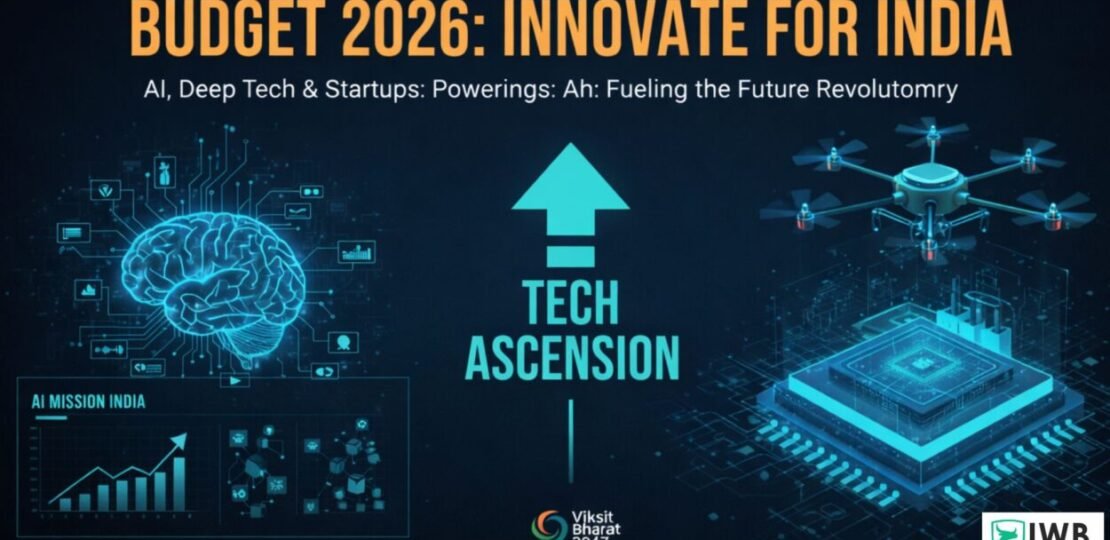
India’s ambition for a ‘Viksit Bharat’ runs hand-in-hand with its technological prowess. The Union Budget 2026-27 solidifies this link, moving beyond basic digital infrastructure to a full-throttle push into Deep Tech, Artificial Intelligence (AI), and Quantum Computing.
With significant funding for the National AI Mission and expanded Production Linked Incentive (PLI) schemes, the message is clear: India wants to be a global innovation leader, not just a service provider.
Here’s a breakdown of how this budget fuels India’s tech and startup ecosystem.
1. The National AI Mission: India’s Brain Power
(Target Keyword: AI Mission India 2026)
The most strategic allocation in the tech sector is the multi-year funding for the National AI Mission.
- Core Focus: Building high-end computing infrastructure, developing indigenous AI models, and fostering AI talent.
- Key Components:
- AI Supercomputers: Allocation for setting up large-scale AI computing clusters accessible to startups and researchers.
- Data Set Repository: A public repository of anonymized Indian datasets to train AI models, crucial for local context.
- Skill Development: Partnerships with educational institutions to create AI-focused undergraduate and postgraduate programs.
2. Deep Tech & Quantum: The Frontier of Innovation
(Target Keyword: Deep Tech startup funding, National Quantum Mission budget)
Beyond conventional IT, the budget earmarks substantial funds for cutting-edge fields.
- Deep Tech Funding: A dedicated ‘Deep Tech Startup Fund’ under SIDBI (Small Industries Development Bank of India) will provide early-stage capital to ventures in areas like robotics, advanced materials, and space technology.
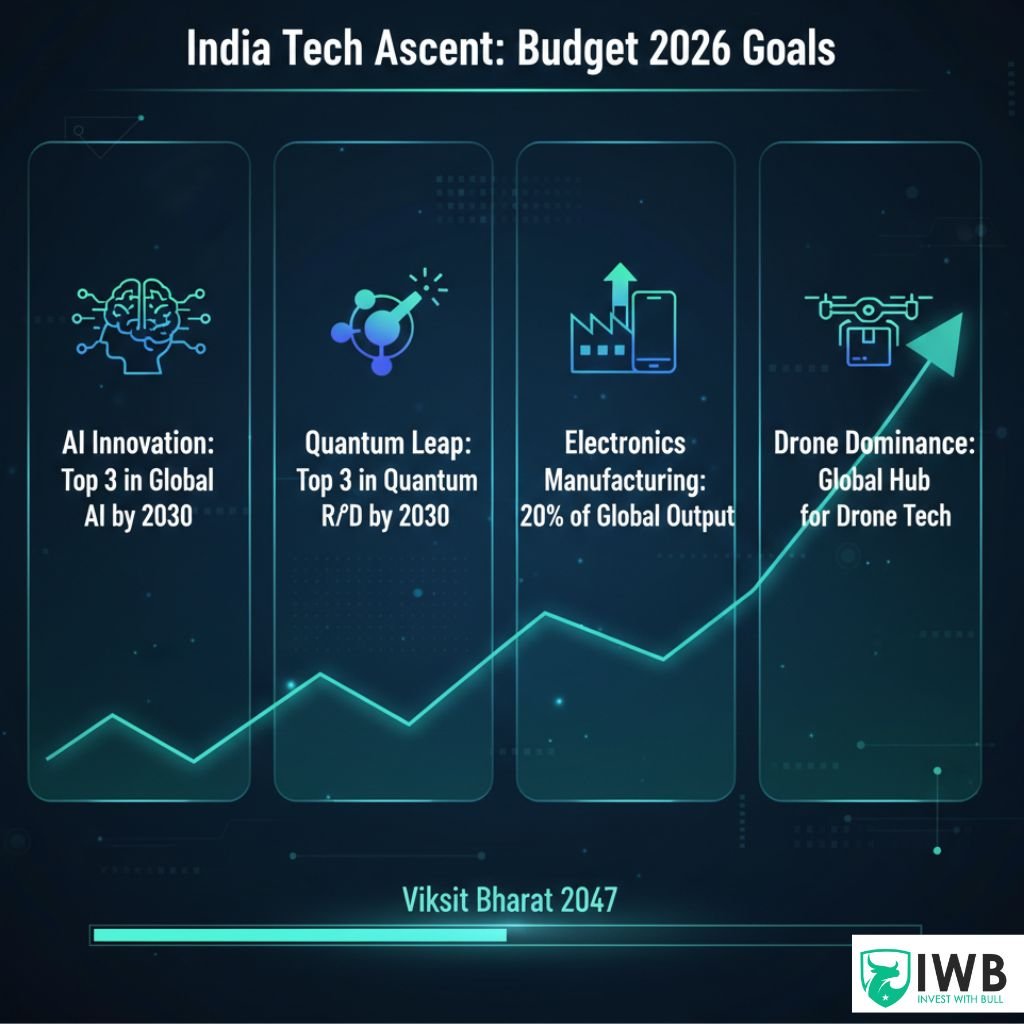
- National Quantum Mission: Accelerated funding for the National Quantum Mission, focusing on quantum computing, quantum communications, and quantum materials. India aims to be among the top 3 nations in Quantum R&D by 2030.
3. Electronics Manufacturing: The PLI Power-Up
The success of the Production Linked Incentive (PLI) scheme for mobile manufacturing is being replicated and expanded.
- New Sectors: Fresh PLI schemes are announced for Wearable Devices, Drones, and Advanced Components for Electric Vehicles.
- Goal: To make India a global manufacturing hub, reducing import dependence and creating high-skill jobs.
4. Visualizing India’s Tech Ascent
India is poised to leapfrog in key technological areas. The visualization below highlights the ambitious growth targets.
5. Startup Ecosystem: Fueling the Future
The budget strengthens the environment for new-age companies.
- Reduced Compliance: Further simplification of rules under the Companies Act and LLP Act to reduce the burden on small businesses.
- Access to Credit: Expansion of credit guarantee schemes for MSMEs, including tech startups, ensuring easier access to working capital.
- Digital Public Infrastructure: Continued investment in Digital Public Infrastructure (like AgriStack, Health Stack) creates new opportunities for startups to build applications and services on top of these platforms.
Frequently Asked Questions (FAQs)
What is the total outlay for the Electronics Manufacturing Scheme in Budget 2026?
Finance Minister Nirmala Sitharaman has proposed a significant increase in the outlay for the electronics components manufacturing scheme, doubling it to ₹40,000 crore (up from ₹23,000 crore) to strengthen India’s domestic supply chain.
What is the National AI Mission’s focus for FY 2026-27?
The mission is shifting from “hype to impact,” focusing on National Compute Credits, building indigenous AI models, and launching Bharat-VISTAAR, a multilingual AI tool designed to improve accessibility in sectors like agriculture and healthcare.
Are there any new tax benefits for startups in this budget?
While income tax slabs remain unchanged, the budget offers policy continuity. Key benefits like the Angel Tax abolition (from the previous year) remain in place, and there is a proposal to expand ESOP Tax Deferral to all DPIIT-registered startups.
What is ‘ISM 2.0’ mentioned in the budget?
India Semiconductor Mission (ISM) 2.0 is the next phase of India’s chip ambition. It moves beyond just assembly to focus on producing manufacturing equipment, developing full-stack Indian IP (Intellectual Property), and fortifying global supply chains.
How does the budget support the “Orange Economy”?
For the first time, the budget formally recognizes the creative economy (AVGC – Animation, Visual Effects, Gaming, and Comics). It plans to set up 15,000 content creator labs across schools and colleges to prepare youth for high-growth creative careers.

RELATED POSTS
View all


Budget 2026: Beyond the Farm Laws – The ‘High-Value’ Shift
February 1, 2026 | by Amit Sharma
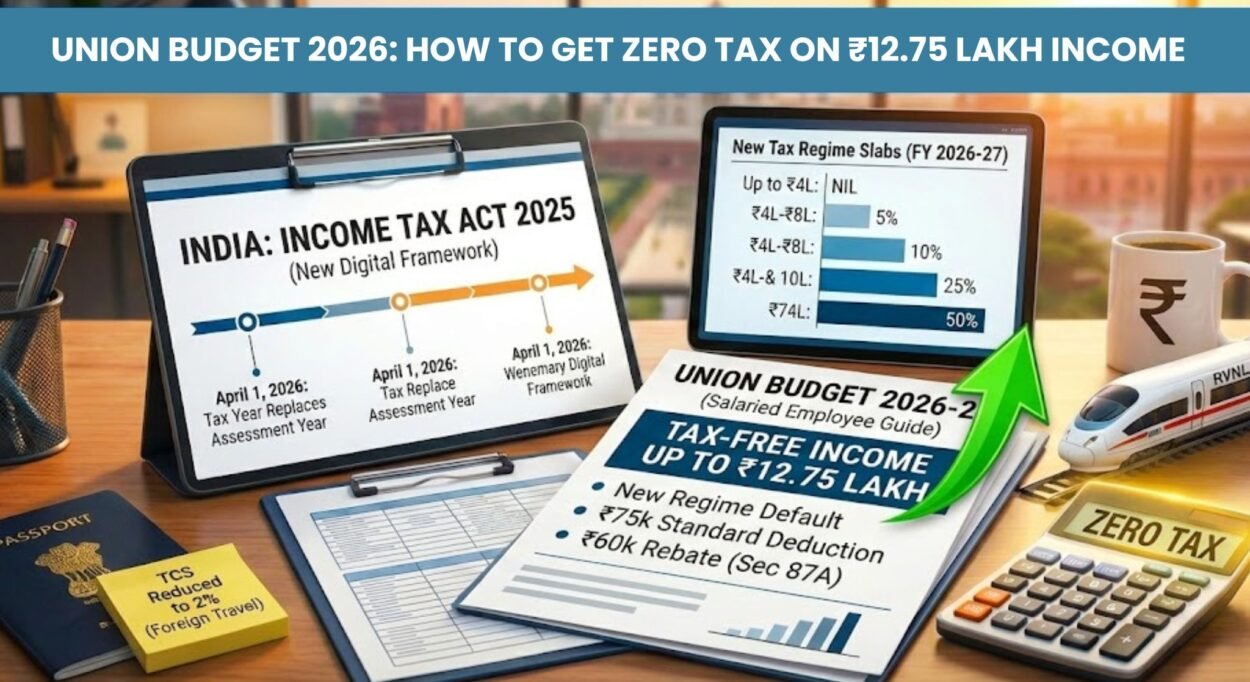
New Income Tax Act 2025 & Union Budget 2026: The Comprehensive Guide to India’s Tax Revolution
February 3, 2026 | by Amit Sharma

Budget 2026: The Roadmap for ‘Heal in India’ & Science R&D
February 1, 2026 | by Amit Sharma