


Introduction
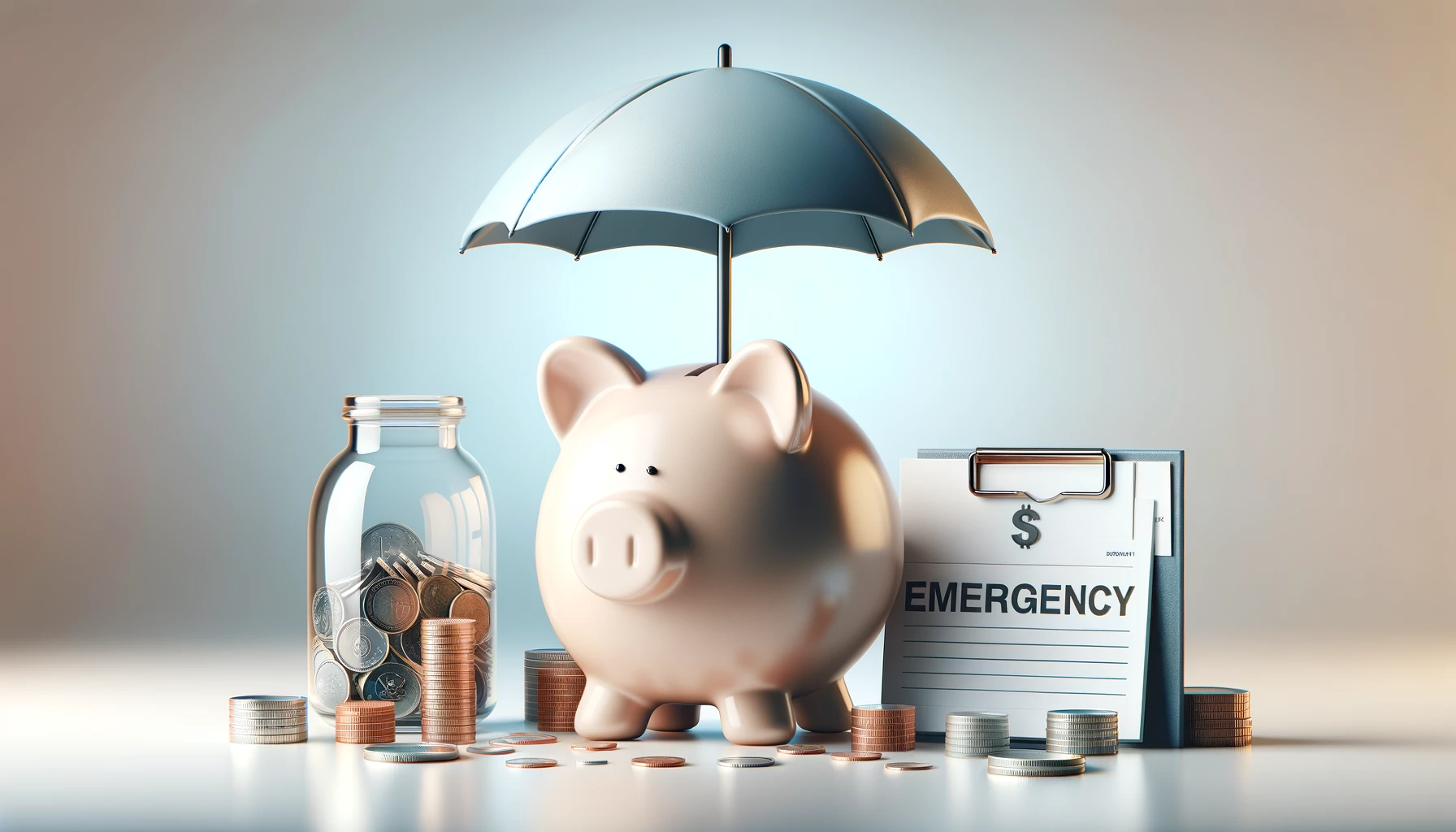
An emergency fund is a crucial financial safety net that everyone should have. This comprehensive report will explain the importance of having an emergency fund and provide practical steps on how to build one. Life is unpredictable, and unexpected expenses can arise at any time. Without a financial buffer, such situations can lead to debt or financial instability. In this article, we will discuss the importance of having an emergency fund, how to build one, and how to maintain it effectively.
The Importance of an Emergency Fund
Definition of an Emergency Fund
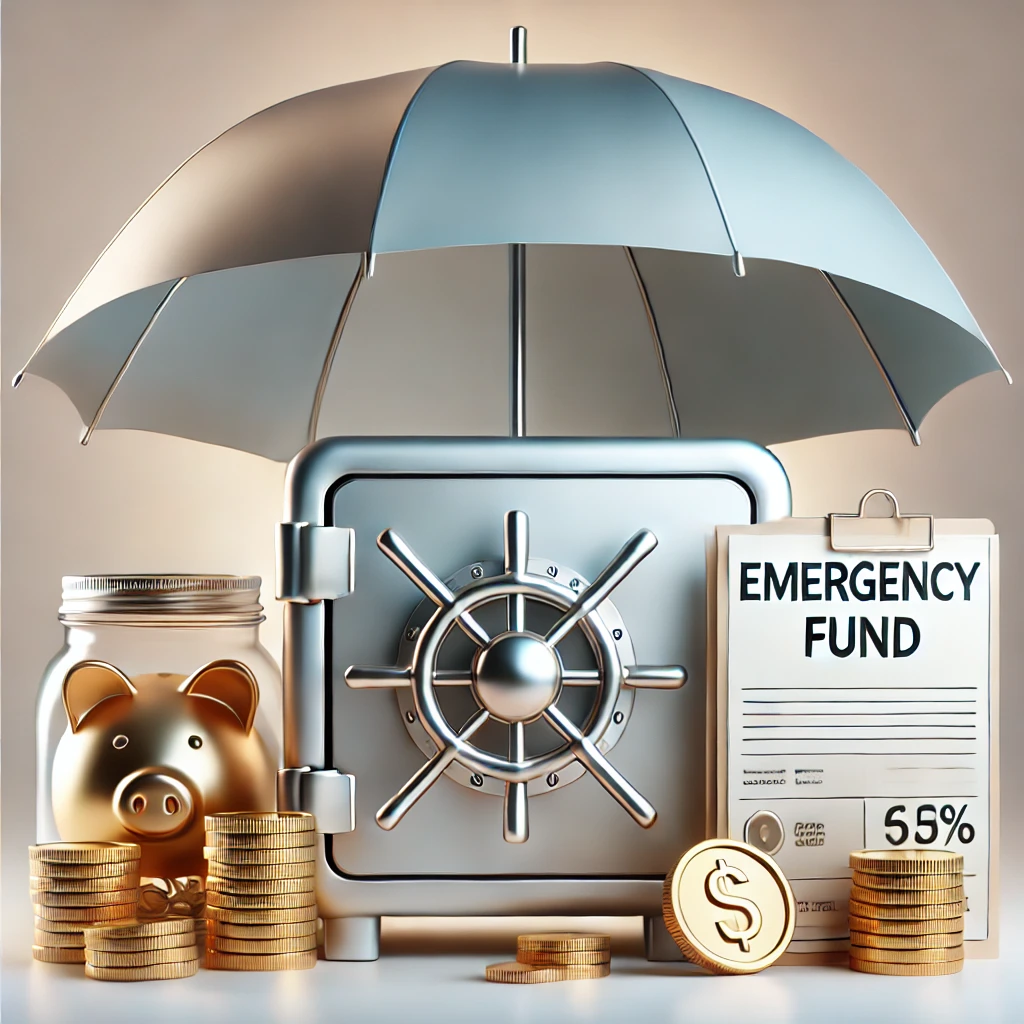
An emergency fund is a dedicated savings account reserved for unforeseen expenses such as medical emergencies, job loss, or urgent home repairs. Unlike general savings, an emergency fund is specifically meant to cover immediate financial needs.
Reasons Why You Need an Emergency Fund
- Unforeseen Expenses: Unexpected expenses like medical emergencies, car repairs, or home repairs can arise at any time. An emergency fund ensures you have the necessary funds to cover these expenses without relying on credit cards or loans.
- Job Loss or Income Reduction: Losing a job or experiencing a significant reduction in income can be financially devastating. An emergency fund provides a buffer to cover your living expenses during such periods of financial instability.
- Peace of Mind: Having an emergency fund brings peace of mind, knowing that you are financially prepared for unexpected situations. It reduces stress and allows you to focus on other aspects of your life without constantly worrying about financial emergencies.
- Financial Security: It provides peace of mind, knowing you have funds to fall back on during tough times.
- Avoiding Debt: An emergency fund helps you avoid high-interest loans or credit card debt in emergencies.
- Flexibility in Decision-Making: With an emergency fund, you won’t feel pressured to make rushed financial decisions.
Common Misconceptions About Emergency Funds
- “It’s only for the rich”: Building an emergency fund is achievable for anyone, regardless of income level.
- “It’s not urgent”: Emergencies are unpredictable, making this fund a priority, not an afterthought.
- “It’s too hard to save”: Starting small and being consistent can make a significant difference over time.
How to Build an Emergency Fund
Set a Savings Goal
Determine how much you want to save for your emergency fund. Aim for at least three to six months’ worth of living expenses, but adjust the goal based on your personal circumstances.
Create a Budget
Analyze your income and expenses to identify areas where you can cut back and save more. Allocate a specific amount each month towards your emergency fund and treat it as a non-negotiable expense.
Automate Savings
Set up an automatic transfer from your checking account to a separate savings account dedicated to your emergency fund. This ensures consistent contributions without the temptation to spend the money elsewhere.
Reduce Expenses
Look for ways to reduce your monthly expenses. Consider cutting back on discretionary spending, negotiating bills, or finding more affordable alternatives for certain services.
Increase Income
Explore opportunities to increase your income, such as taking on a side gig or freelancing. Direct the additional earnings towards your emergency fund to accelerate its growth.
Assessing Your Financial Situation
Before starting, evaluate your current financial state. Calculate your income, expenses, and debts to determine how much you can realistically set aside each month.
Choosing the Right Savings Account
- Opt for a high-yield savings account to earn interest while keeping your funds accessible.
- Ensure the account has minimal fees and offers easy withdrawal options.
Strategies for Saving Money
- Budgeting: Allocate a portion of your income specifically for your emergency fund.
- Cutting Expenses: Identify non-essential spending to free up money for savings.
- Extra Income: Consider side hustles or selling unused items to boost your savings.
When to Use Your Emergency Fund
Identifying True Emergencies
Use your fund only for genuine emergencies, such as:
- Unexpected medical expenses
- Urgent car or home repairs
- Job loss or significant income reduction
How to Access Your Funds Quickly
- Ensure your savings account allows immediate withdrawals.
- Familiarize yourself with the account’s terms to avoid delays or penalties.
Maintaining Your Emergency Fund
Replenishing After Use
After using your emergency fund, prioritize rebuilding it. Resume regular contributions until you reach your target amount again.
Adjusting Your Fund as Your Life Changes
Life events like marriage, having children, or buying a home may require you to increase your emergency fund. Regularly review and adjust your savings goal to match your evolving needs.
Conclusion
An emergency fund is an essential part of financial planning, providing security and peace of mind during life’s uncertainties. By starting small, staying consistent, and prioritizing this savings goal, you can build and maintain a robust financial safety net. Take the first step today and secure your future.
FAQs
How much should I save in my emergency fund?
Aim to save three to six months’ worth of living expenses. Adjust this amount based on factors like job security and family size.
Can I invest my emergency fund?
No, your emergency fund should remain liquid and easily accessible. Avoid investing it in assets that may lose value or take time to sell.
What’s the best account for an emergency fund?
A high-yield savings account is ideal, offering easy access and better interest rates compared to traditional accounts.
How do I stay consistent with saving?
Automate your savings to ensure regular contributions. Treat it as a non-negotiable expense in your budget.
Should I pause my emergency fund contributions for other goals?
Only pause if you face financial hardship or emergencies. Otherwise, prioritize building your fund before pursuing other financial goals.
When should I start building an emergency fund?
Start as soon as possible, even if it’s with a small amount. The sooner you begin, the sooner you’ll have a safety net in place.
By incorporating these strategies, you can confidently navigate financial uncertainties and achieve long-term financial stability.

Amit Sharma is the Lead Analyst at Invest With Bull, leveraging 11 years of market experience to simplify personal finance for salaried professionals. From mastering credit card arbitrage and navigating personal loans to structuring robust retirement and FIRE (Financial Independence, Retire Early) strategies, Amit provides data-backed, actionable analysis. His mission is to cut through complex banking jargon and deliver the unbiased research you need to achieve absolute financial freedom.
RELATED POSTS
View all



From Paycheck to Prosperity: The 2026 Guide to Building Wealth on a Salary in India
Last Updated: 11/01/2026 | by Amit Sharma

Belstar Microfinance IPO 2026: Date, Price, Review, Grey Market Premium & More
Last Updated: 11/01/2026 | by Amit Sharma
